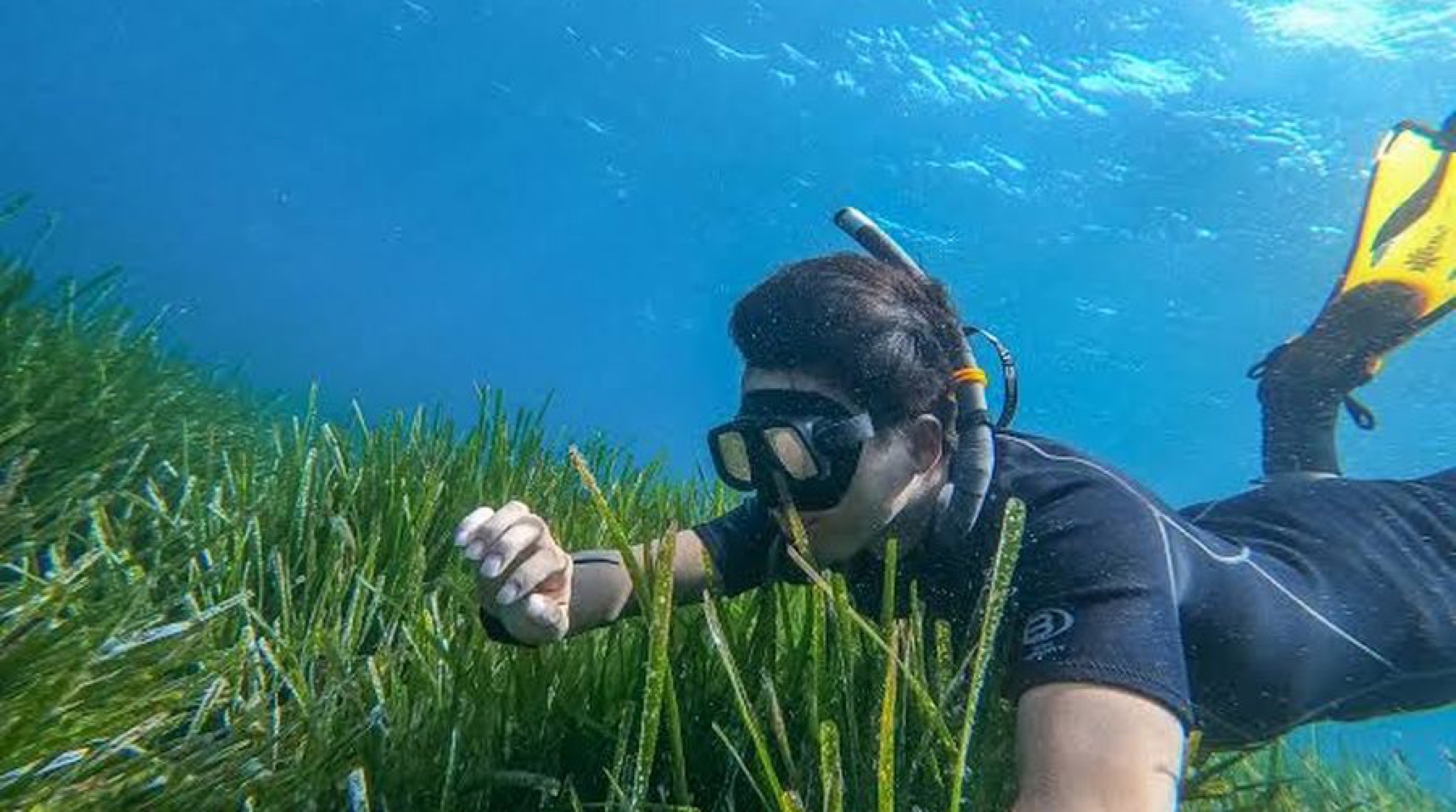
The People's Posidonia
What we did on the Cilento coast, and what it produced.
June to July 2026 · with the Future Food Institute, the Paideia Campus and the BLUERA students · Pollica, Pioppi, Acciaroli
The urgency is clear. The solutions are on a shelf.
A third of the Mediterranean's meadows have gone in fifty years, and the science saying so is not in dispute. What is missing is not another study. It is demand: enough people who care what happens to this seagrass to make protecting it a decision somebody has to answer for.
So the week was aimed at the demand, not the evidence.
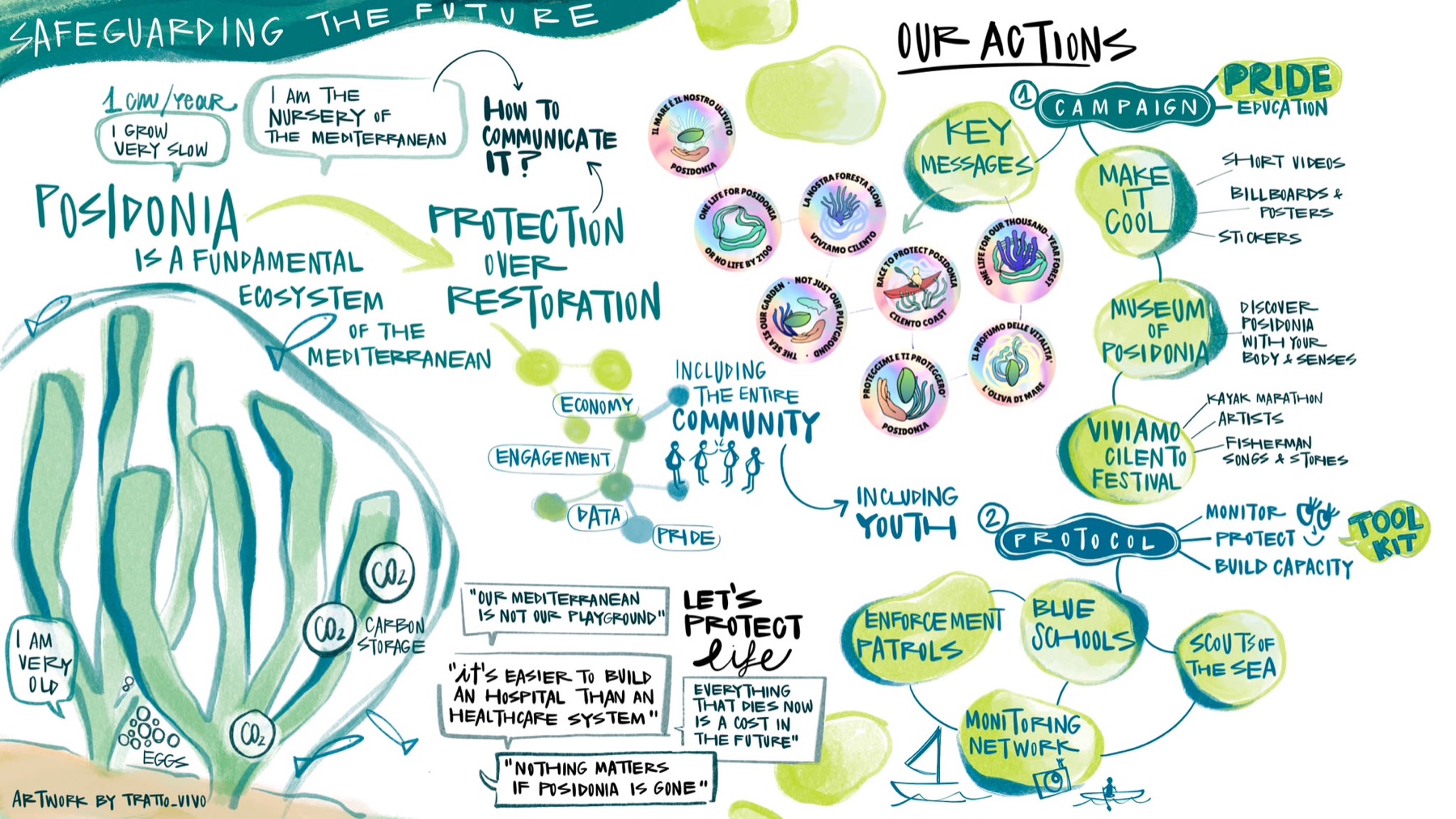
The students' own artwork, made during the week.
Forty years of knowing this coast, and no record of any of it
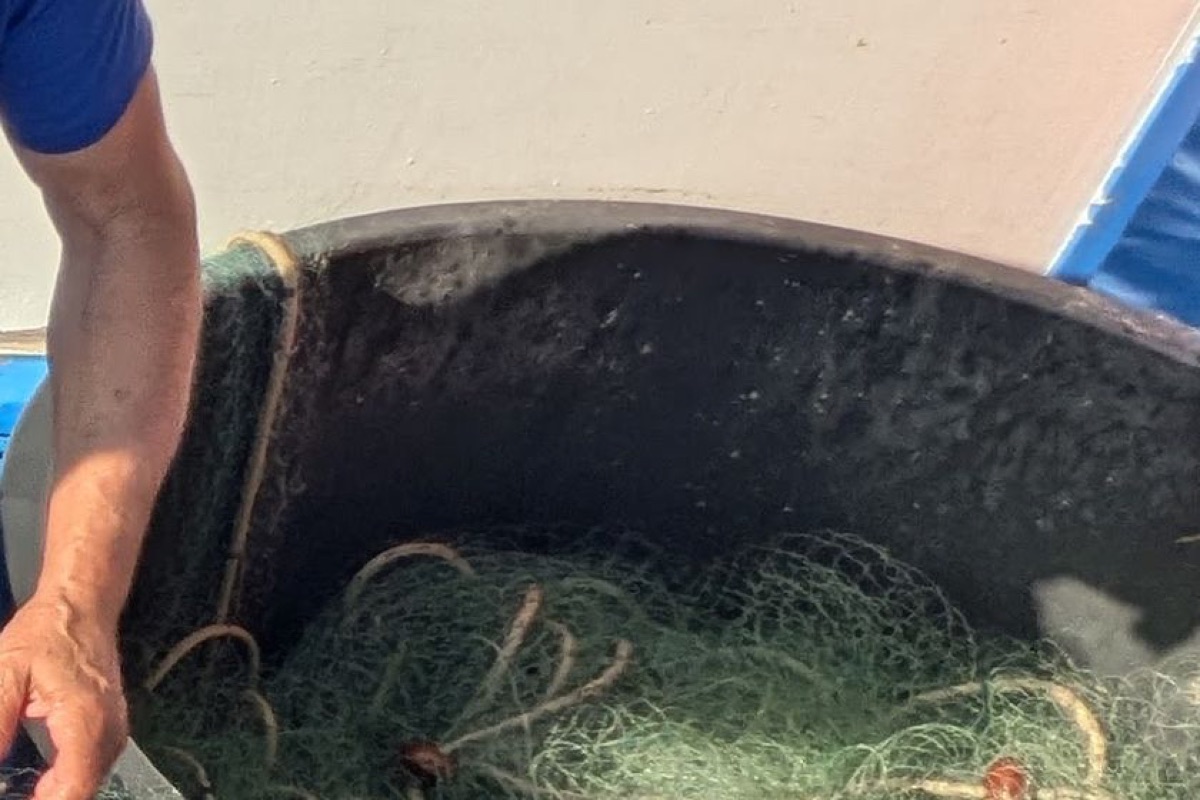
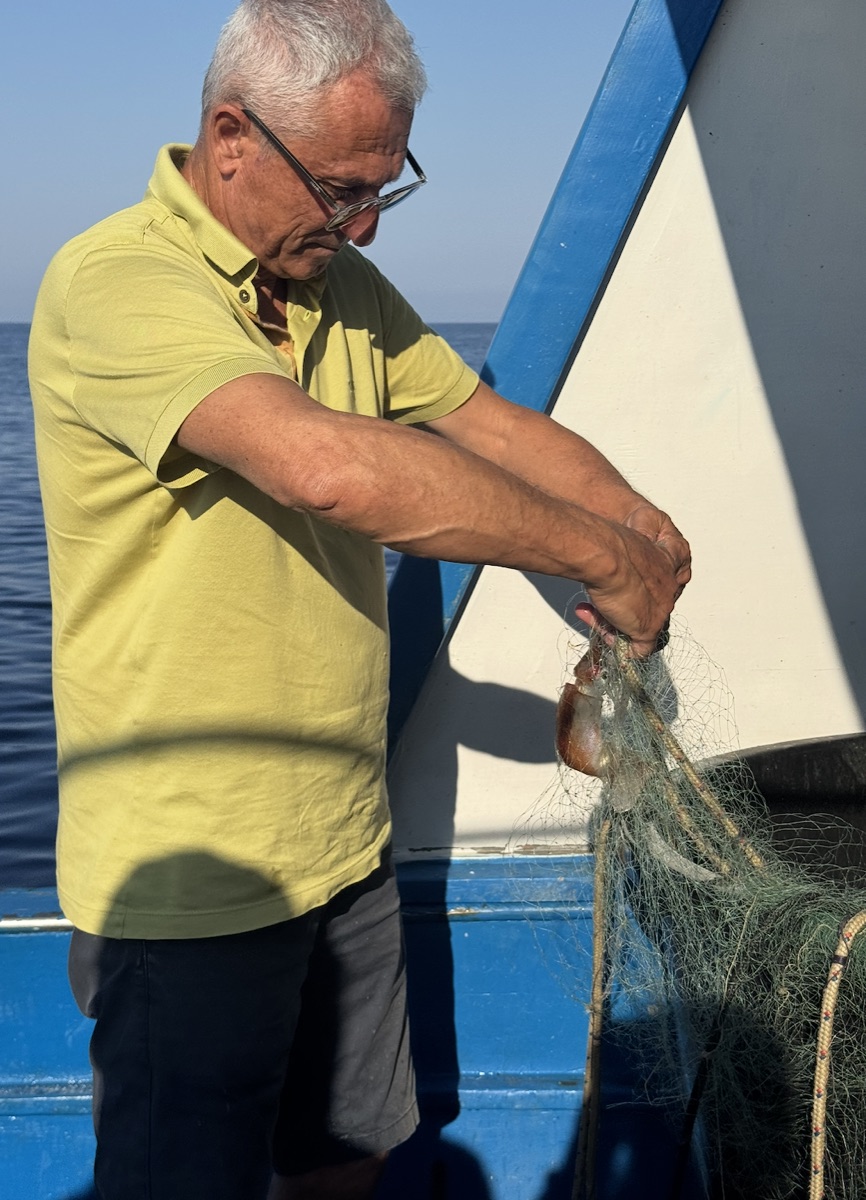
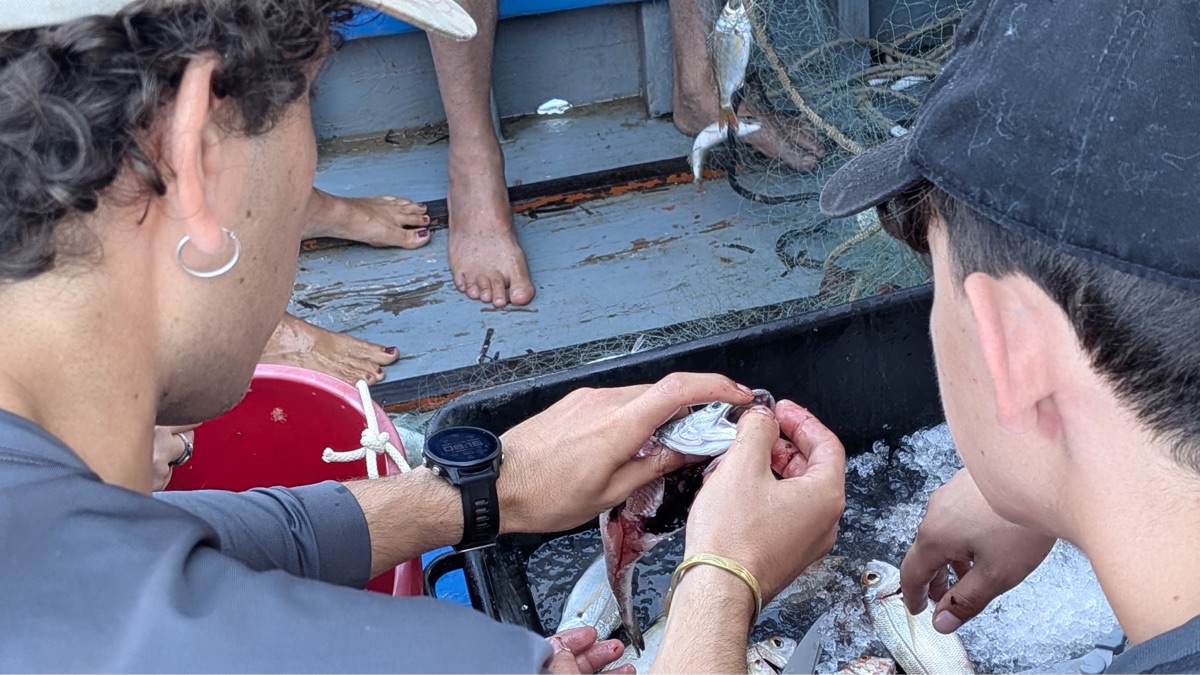
The fish are disappearing. Posidonia is one factor among several, and nobody is writing any of it down.
Extent mapping tells you the meadow is there, and little else
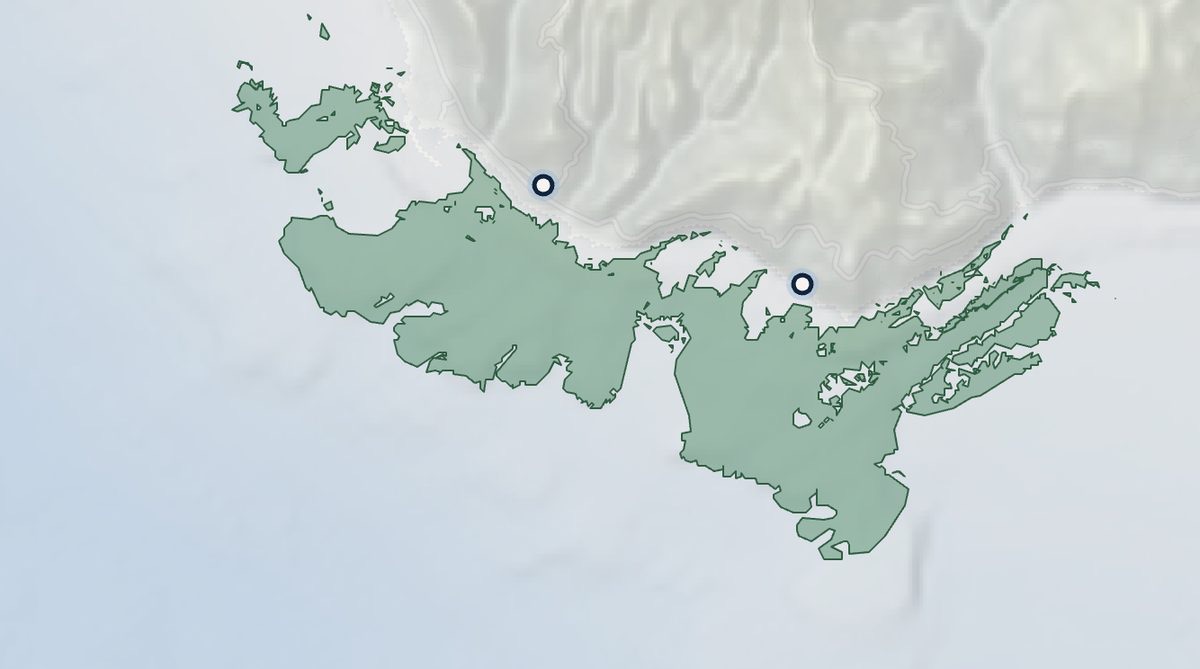
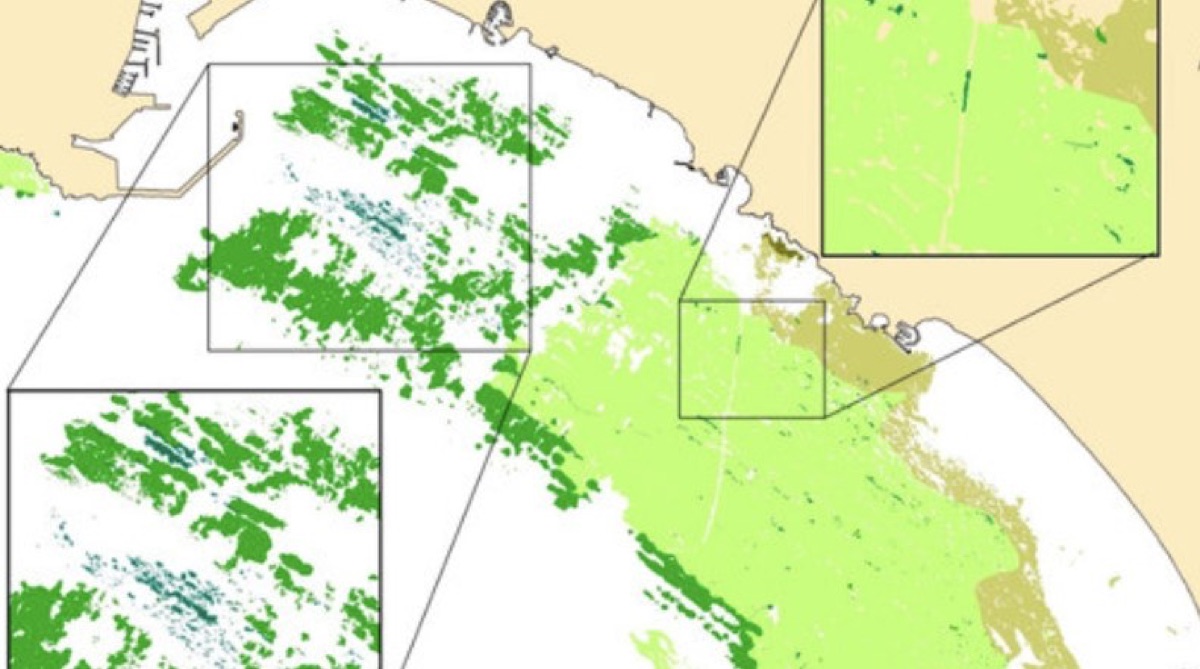
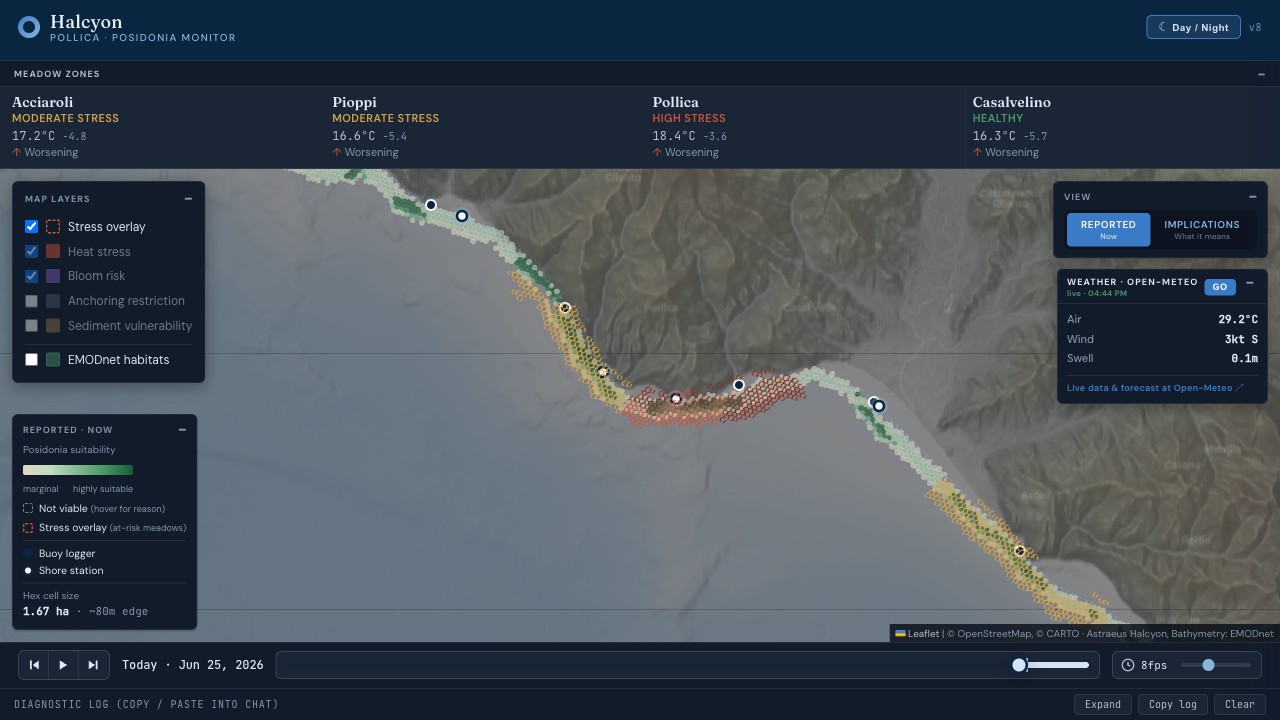
The gap between those two pictures is the whole project. One cannot tell you whether this year is worse than last. The other can tell you which hundred metres to send a diver to, and whether an anchoring ban worked.
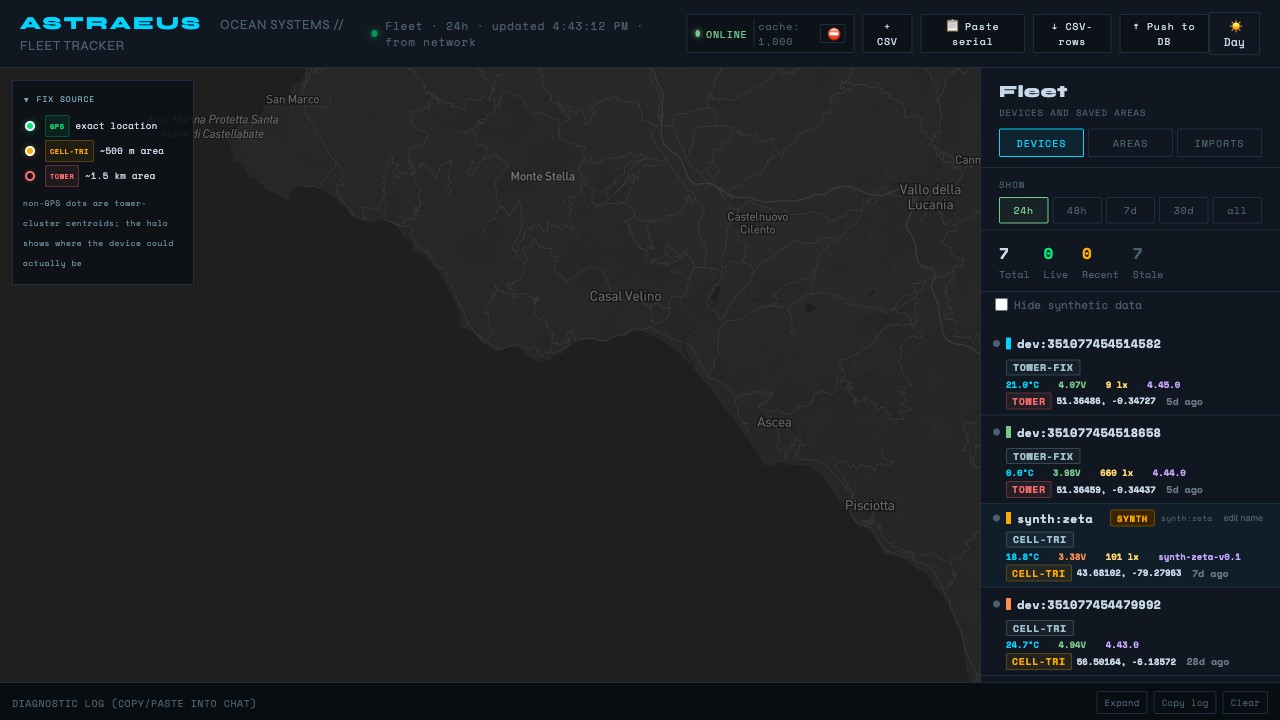
Four screens, one morning
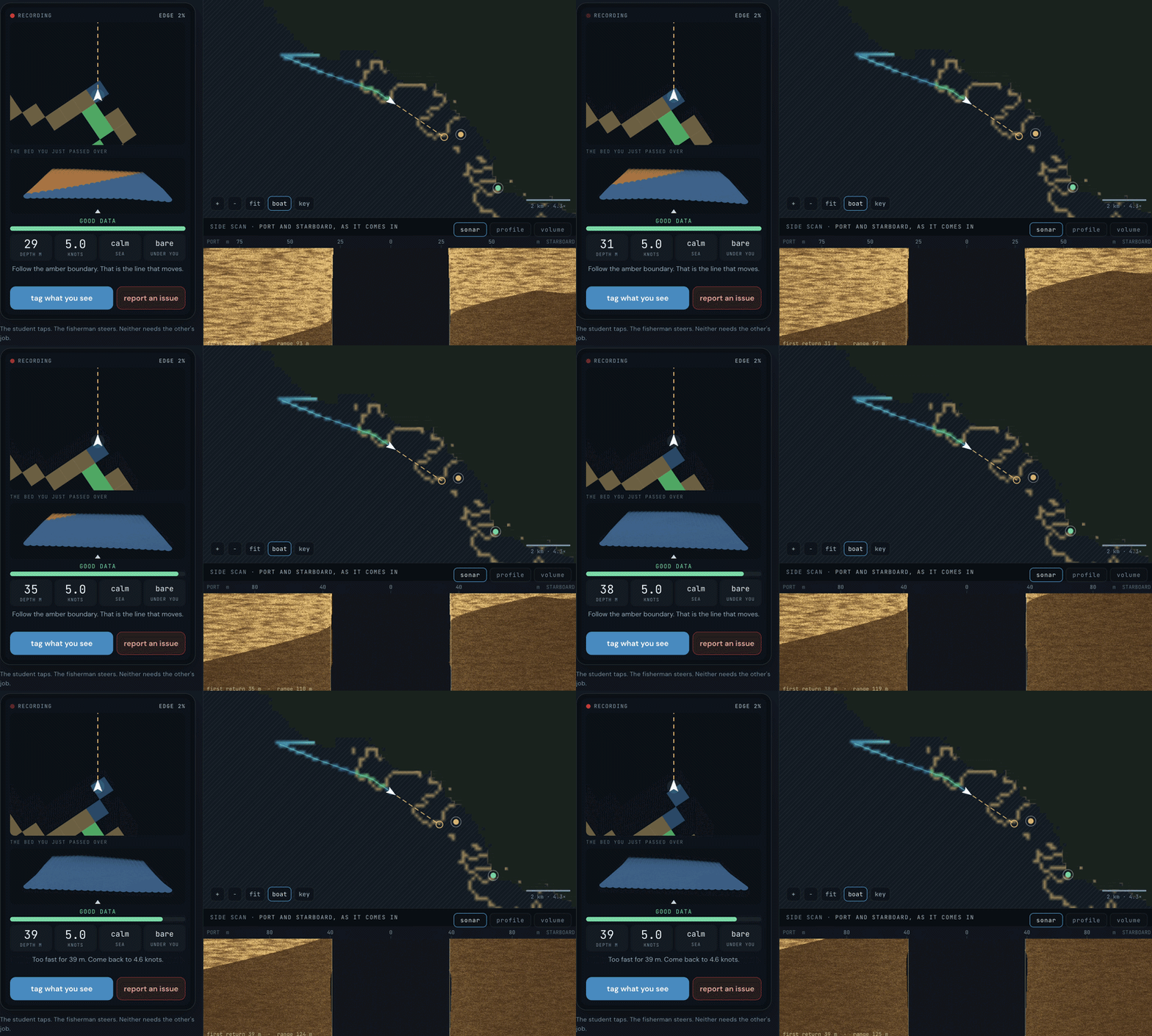
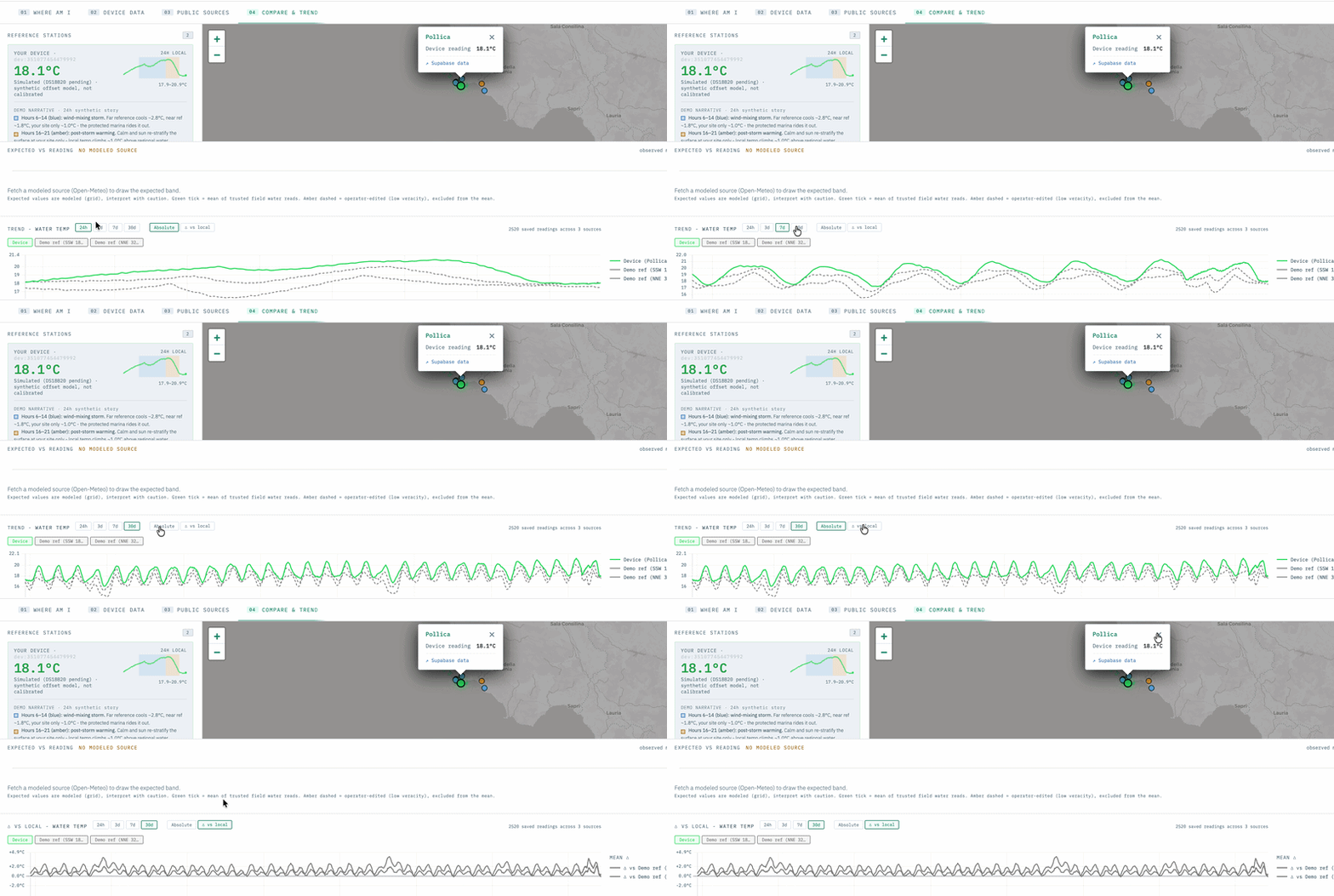
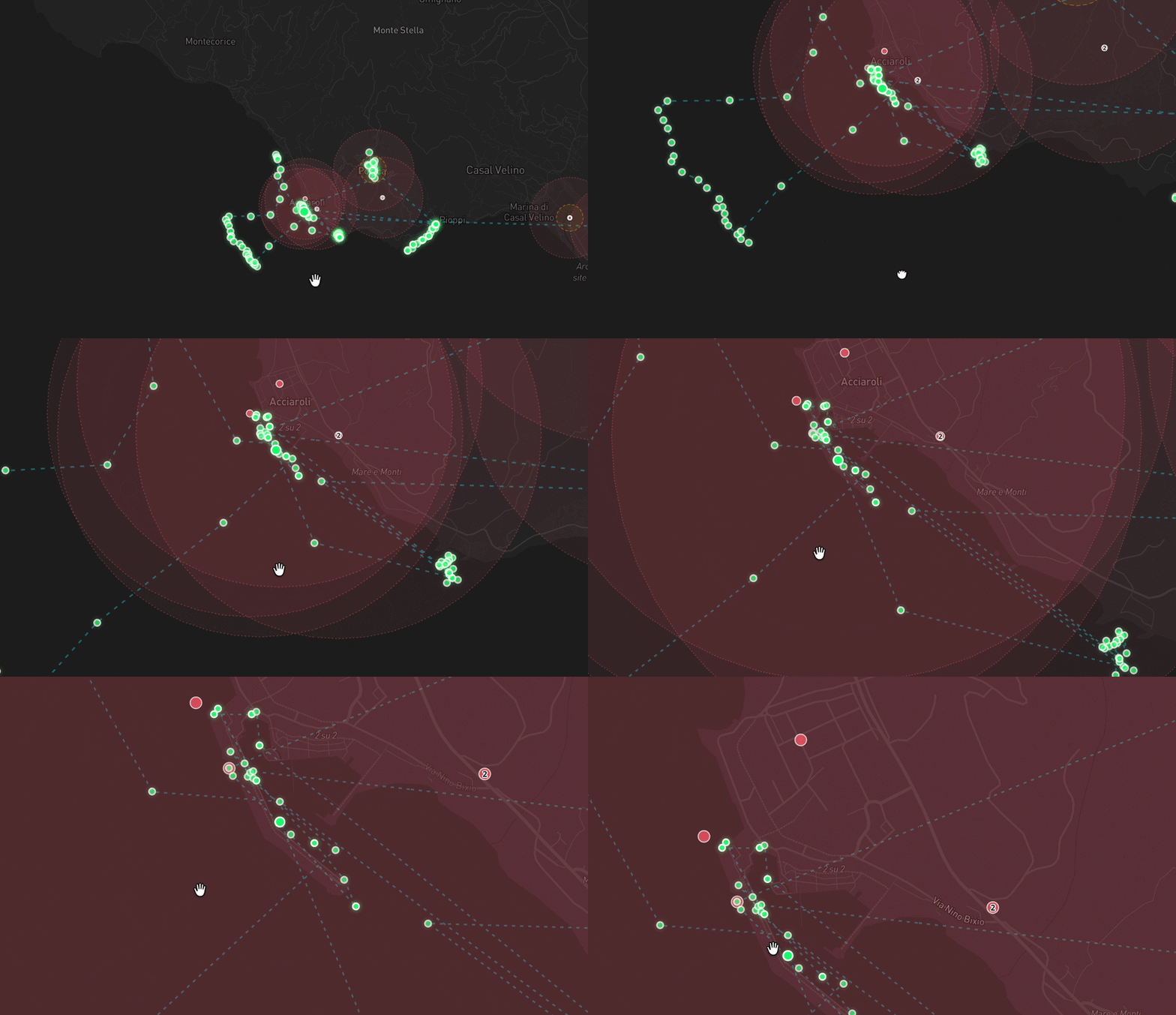
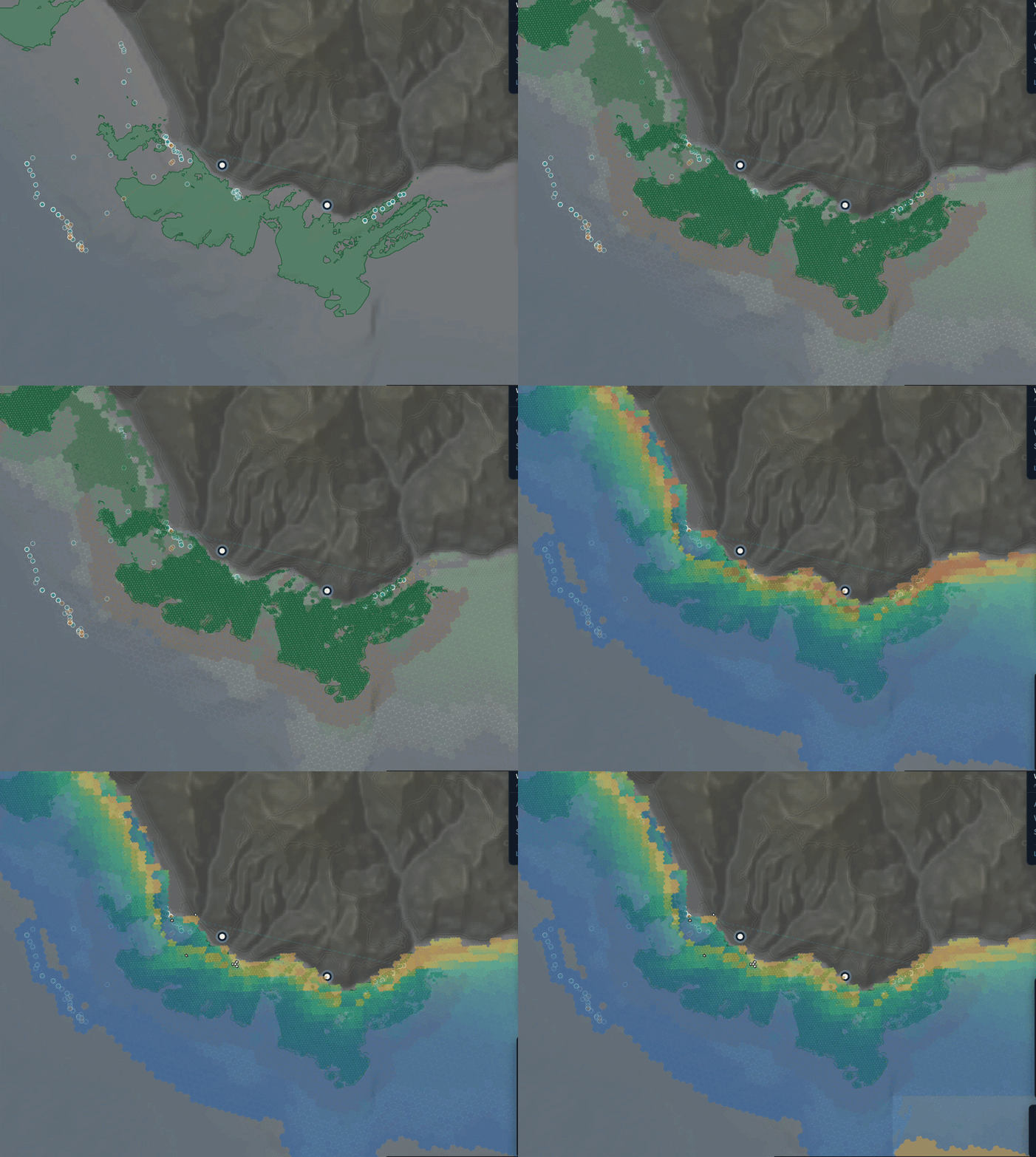
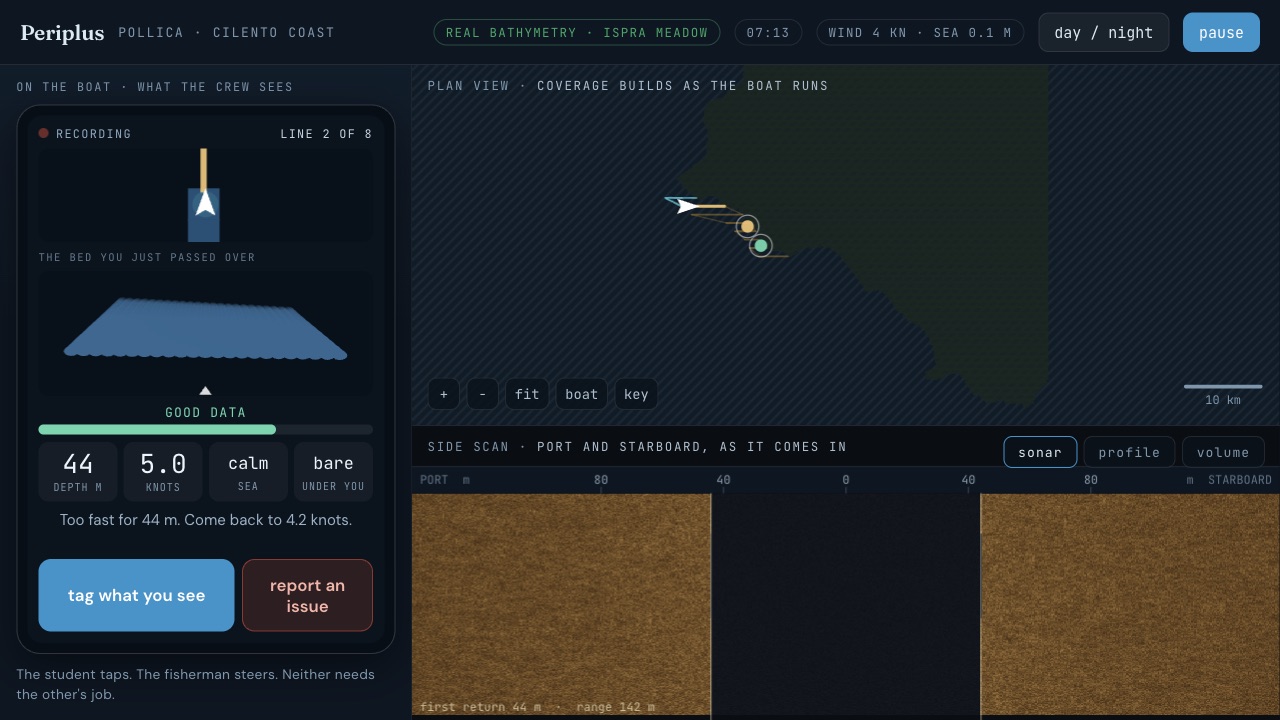
Captures of the working tools. Route and Predict are live now: open them.
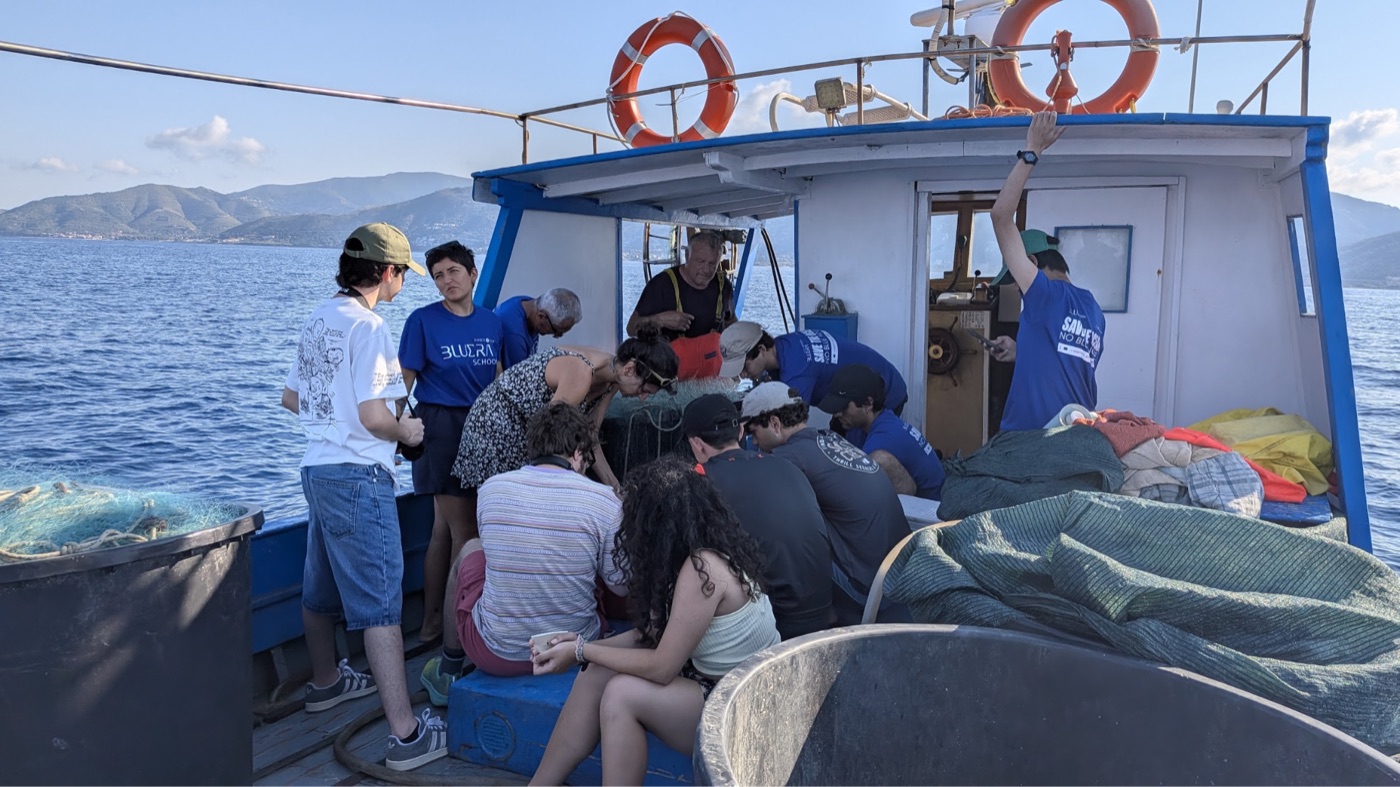
Fishermen become needed as stewards of the sea
Not extractors of it. A way of seeing the coast that was fading from view becomes the thing the record depends on, and the students who capture the data become the ones who can explain it.
The fleet extends the science on this coast. It does not replace it.
Coverage and frequency, which is what this coast is short of
Where to dive next, and ground truth to check models against. Limited dive days go where the meadow is actually changing.
For millions deployed into replanting, knowing where not to spend is worth more than the map itself.
Continuous measurement instead of periodic survey, with the audit trail a verifier actually asks for.
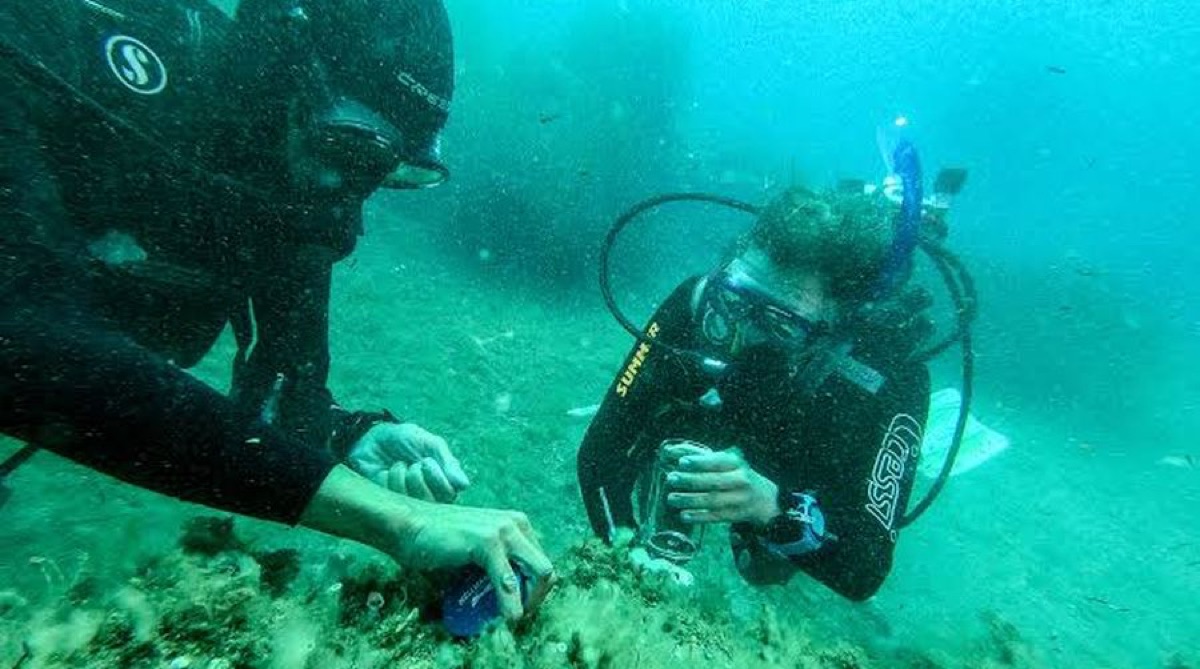
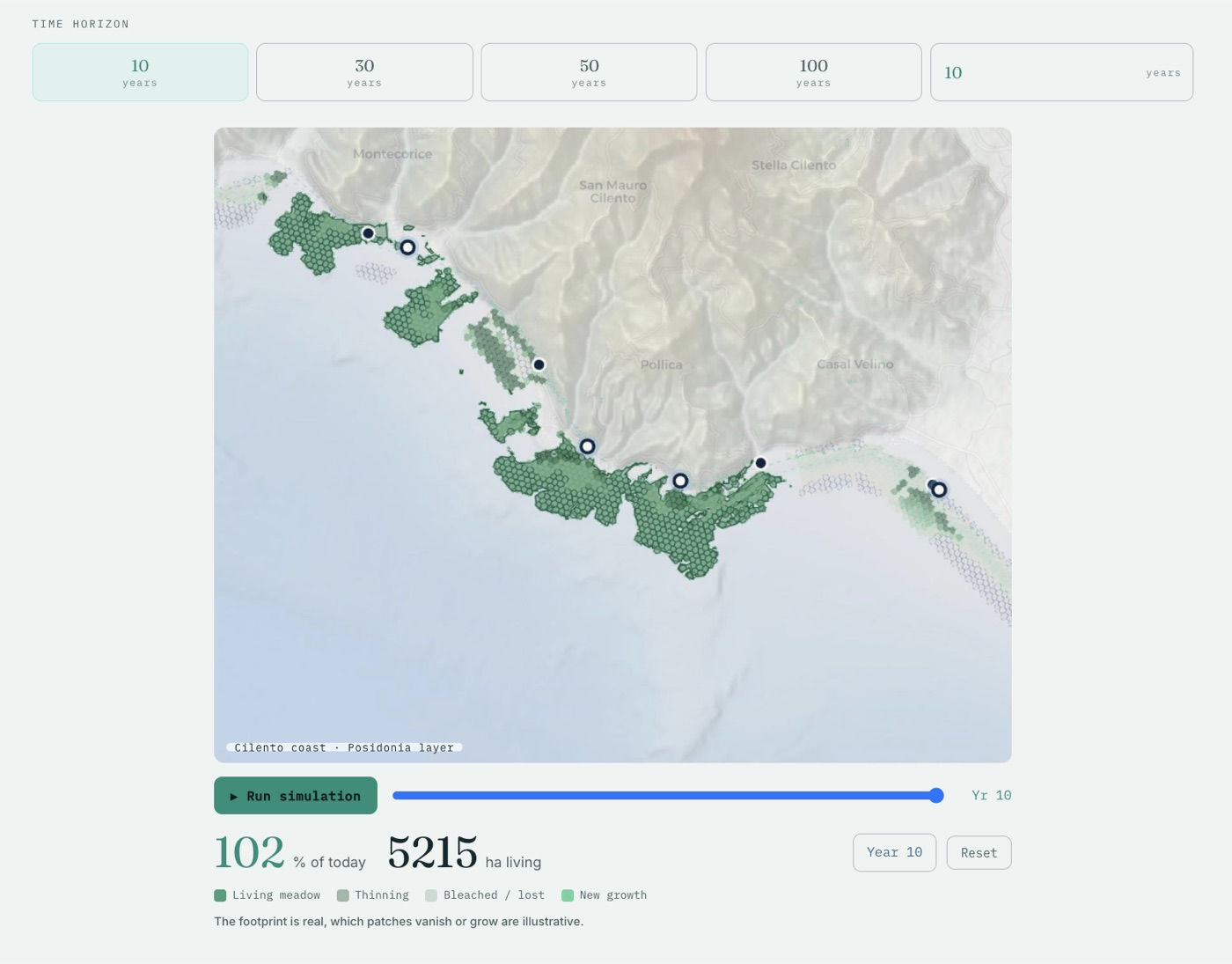
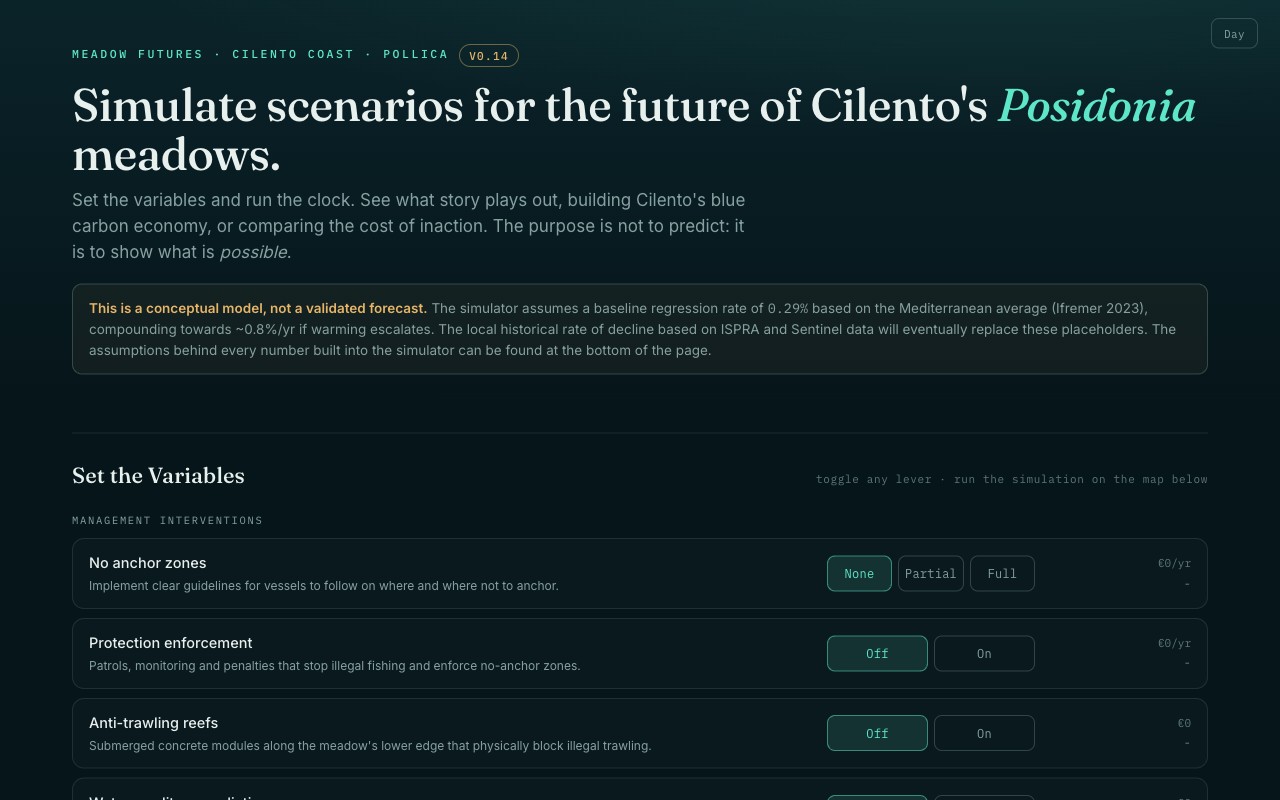
Set the levers, run the clock to 2100
Warming, anchoring, enforcement, restoration. The simulator answers in the terms of the decision: what your plan holds on to that doing nothing loses.
Illustrative run of the published model. Open the tool for your own. RUN IT
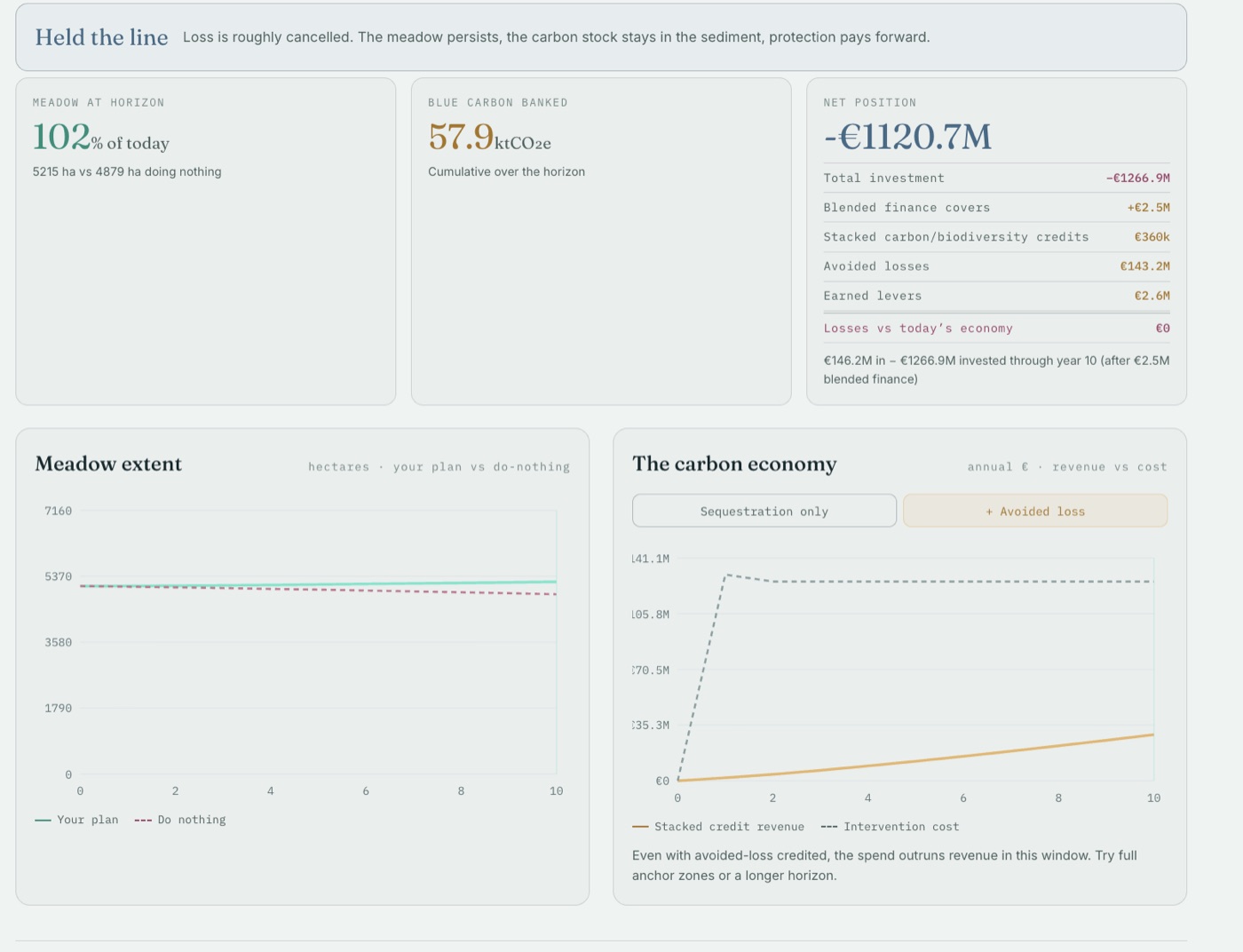
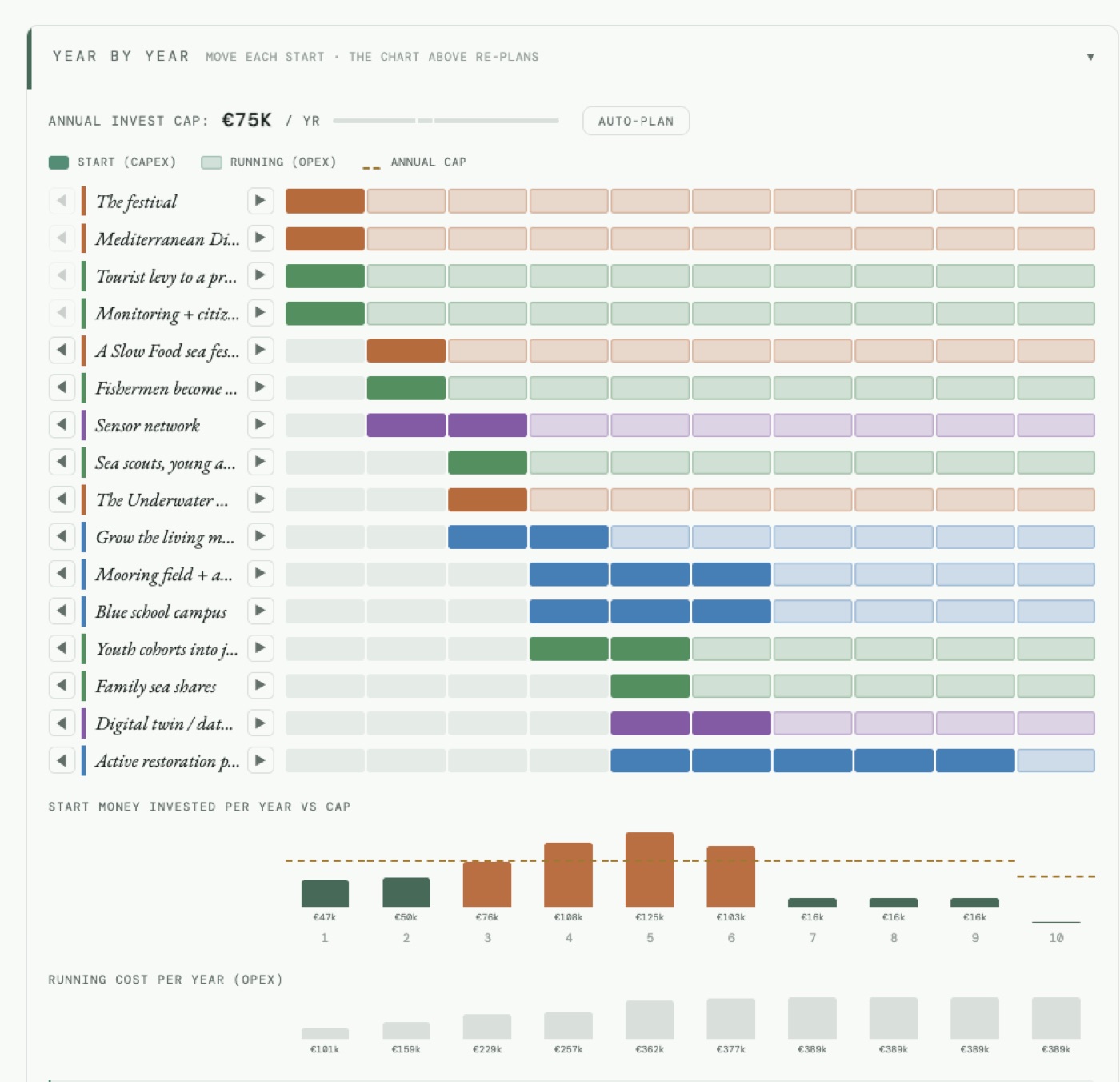
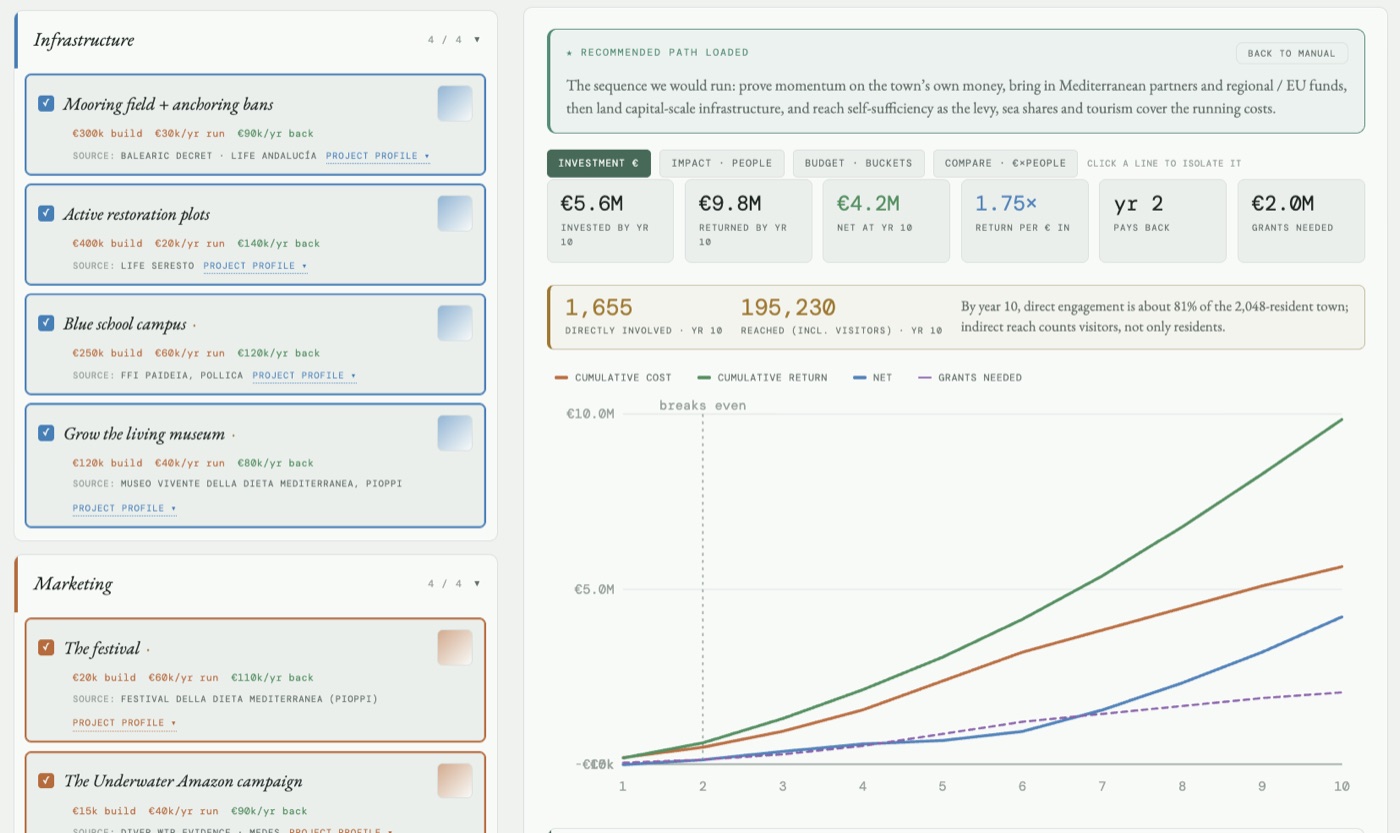
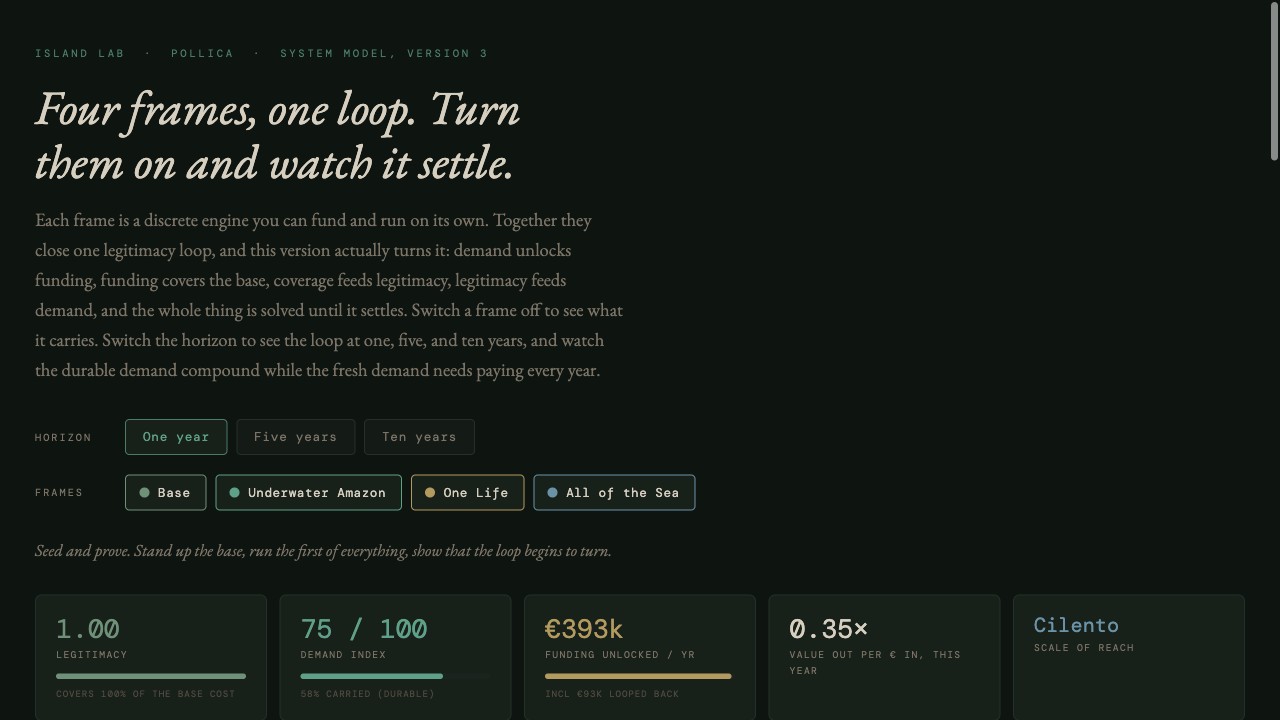
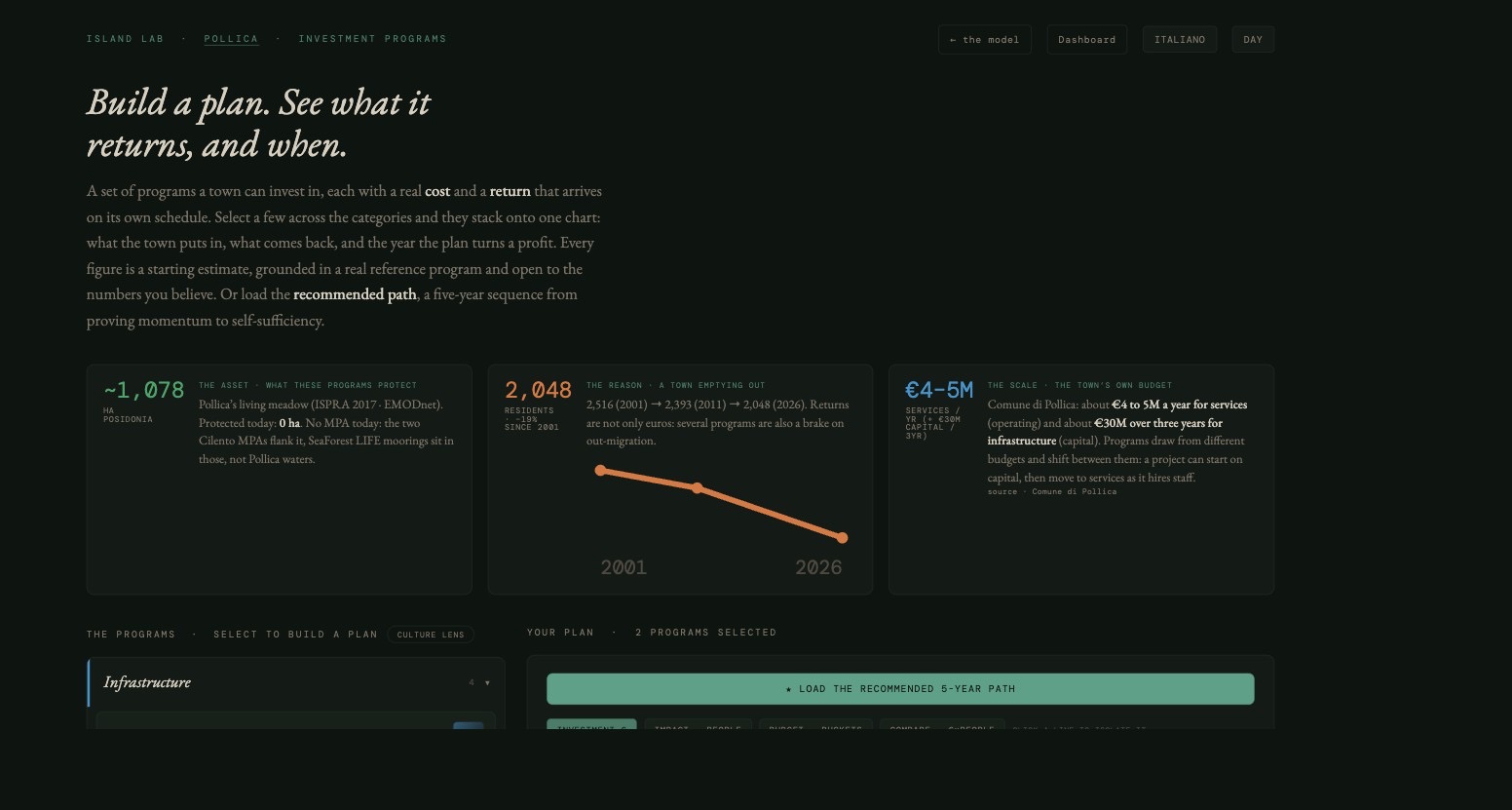
Every idea costed, phased and ranked
Ten plays under an annual budget cap, each with what it costs, when it starts, and what it returns in people engaged and euros. A funding conversation that begins from numbers rather than adjectives.
Shape of the board, not a committed budget. OPEN THE BOARD
A nonna is not going to open a laptop
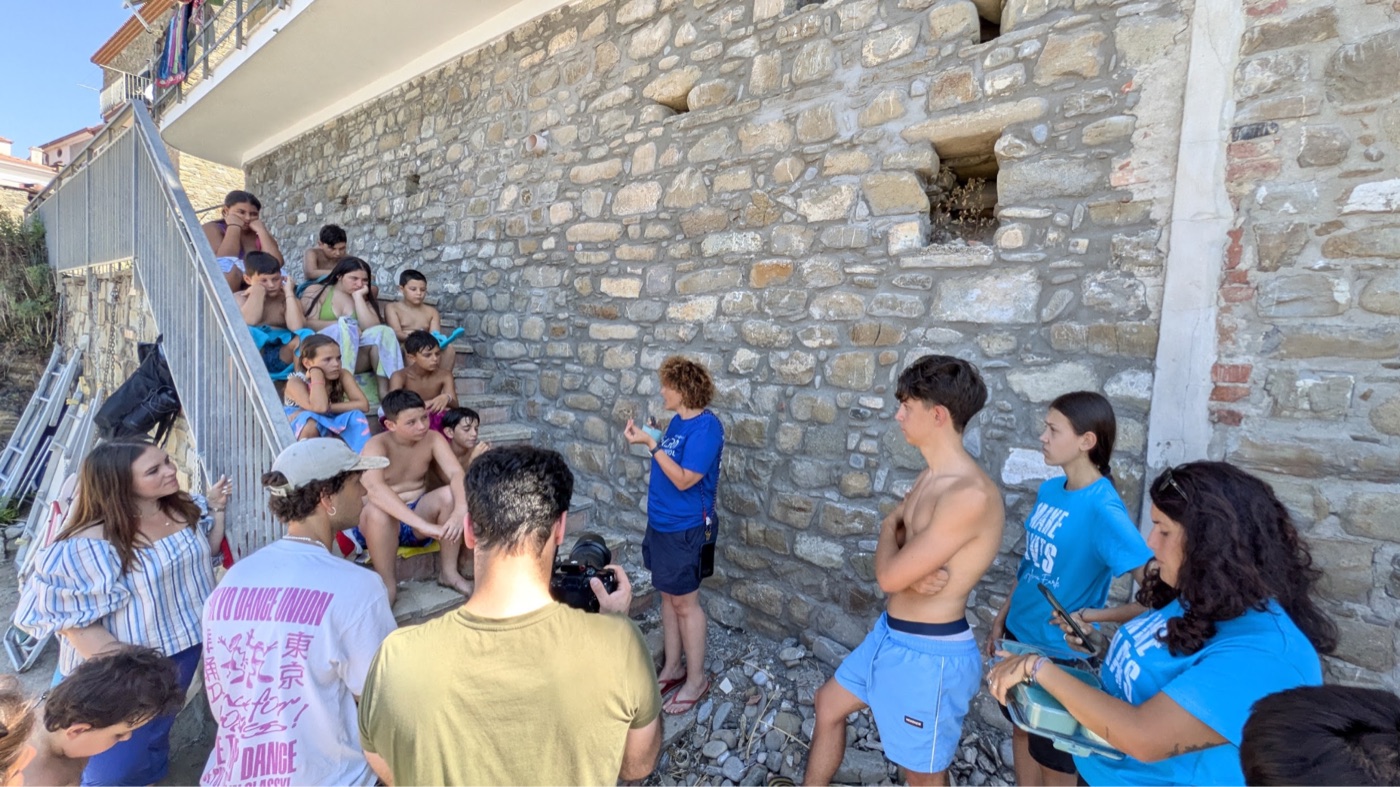
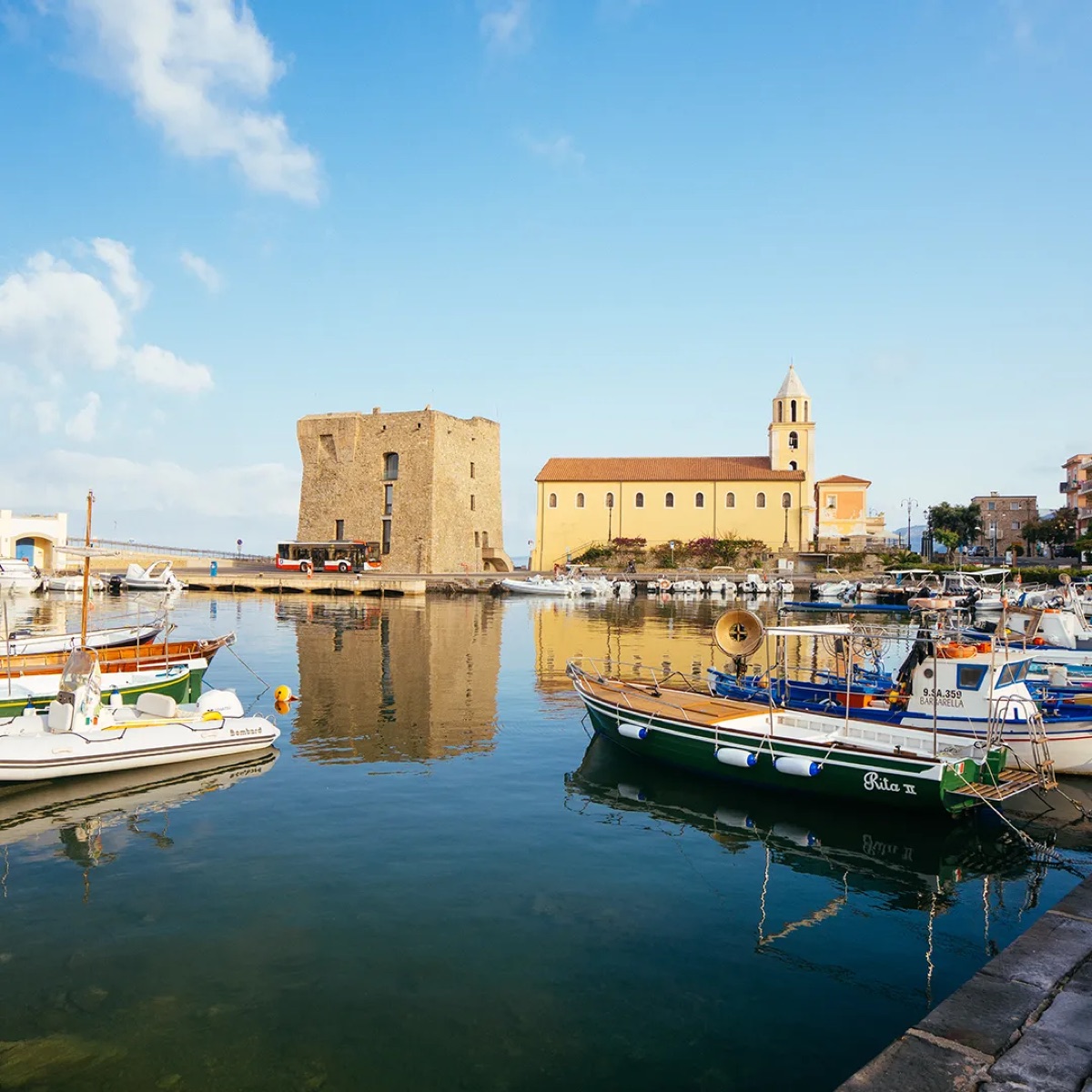
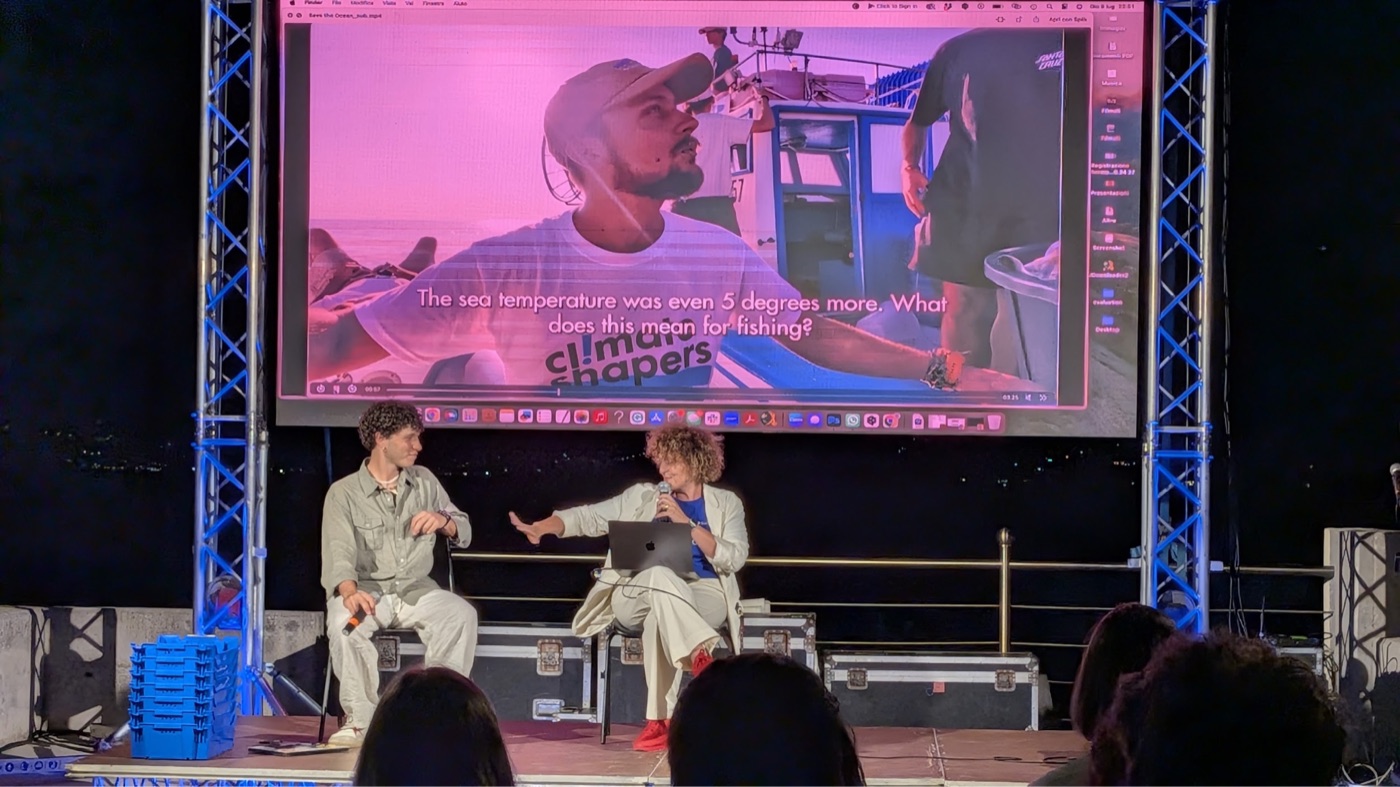
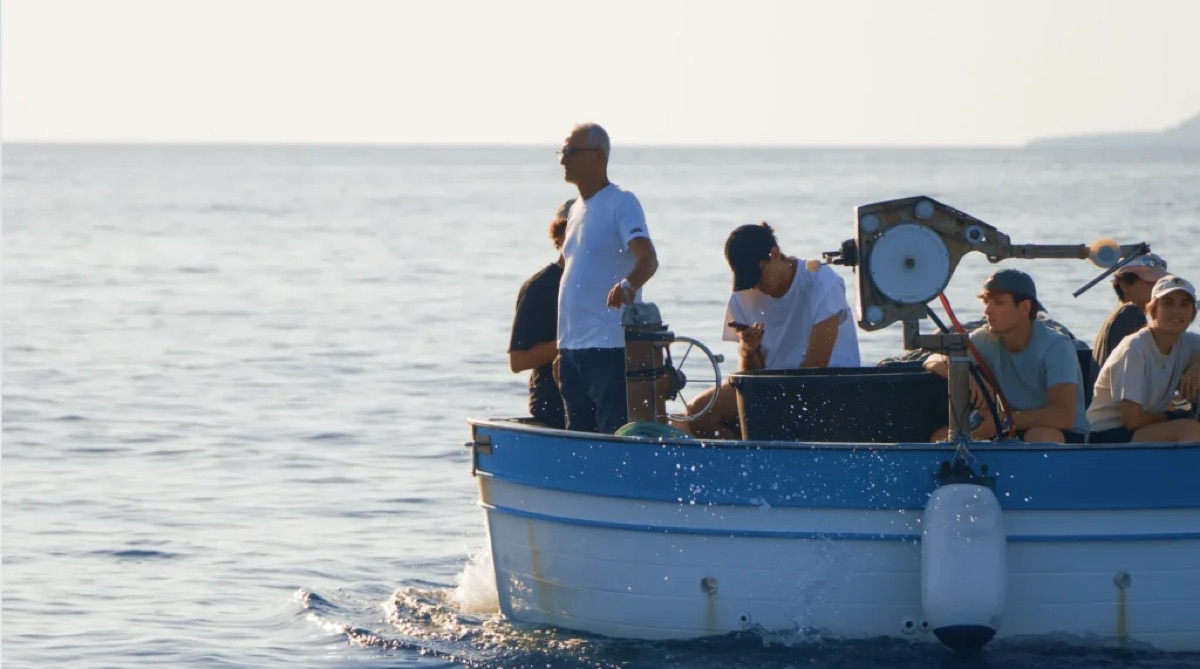
Public data becomes public understanding only where a person is standing next to it. So the map goes to the places people are already going.
Convened, drawn, argued over
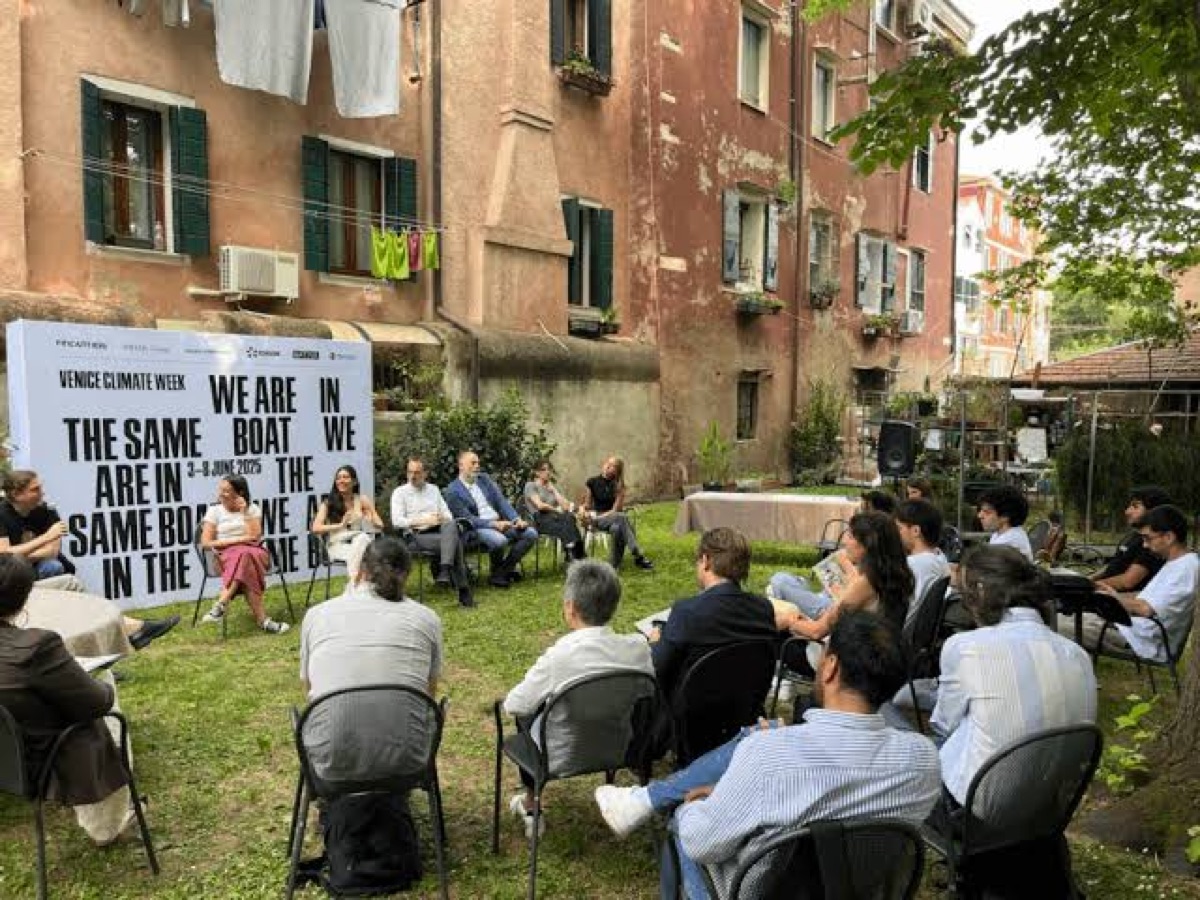
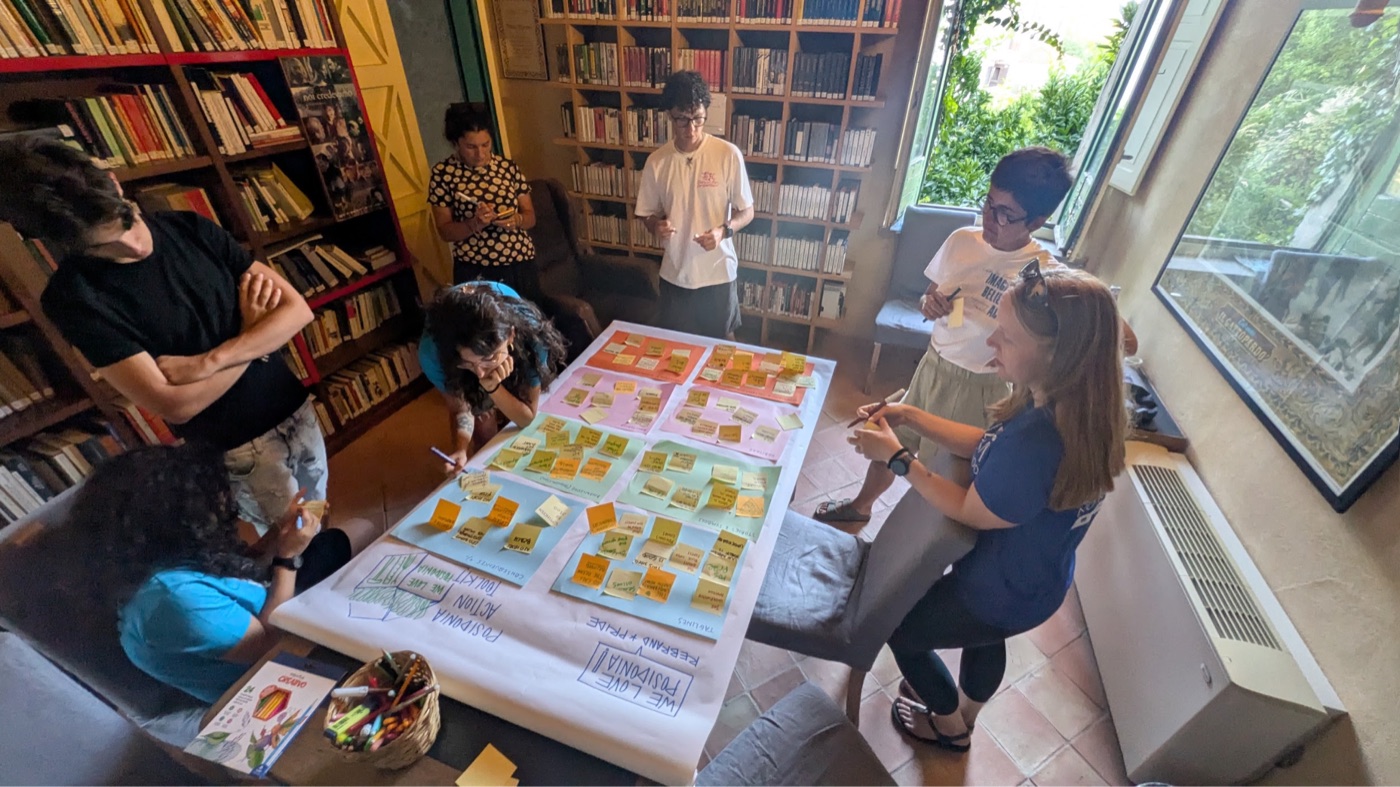
Sessions in the courtyard, a wall of drawn systems, the port and the tour operators, environmentalists on the coast path. The vision on the right was drawn live, by the people in the room, over the course of the week.
Save the Ocean week, at the invitation of Sara Roversi and the Future Food Institute.
Five working surfaces, all live
Protection first. Then restoration.
The sandbox is open: run Meadow Futures, build an investment play, and see what it returns.
The plan ahead is in the brief · sean@islandlab.dev